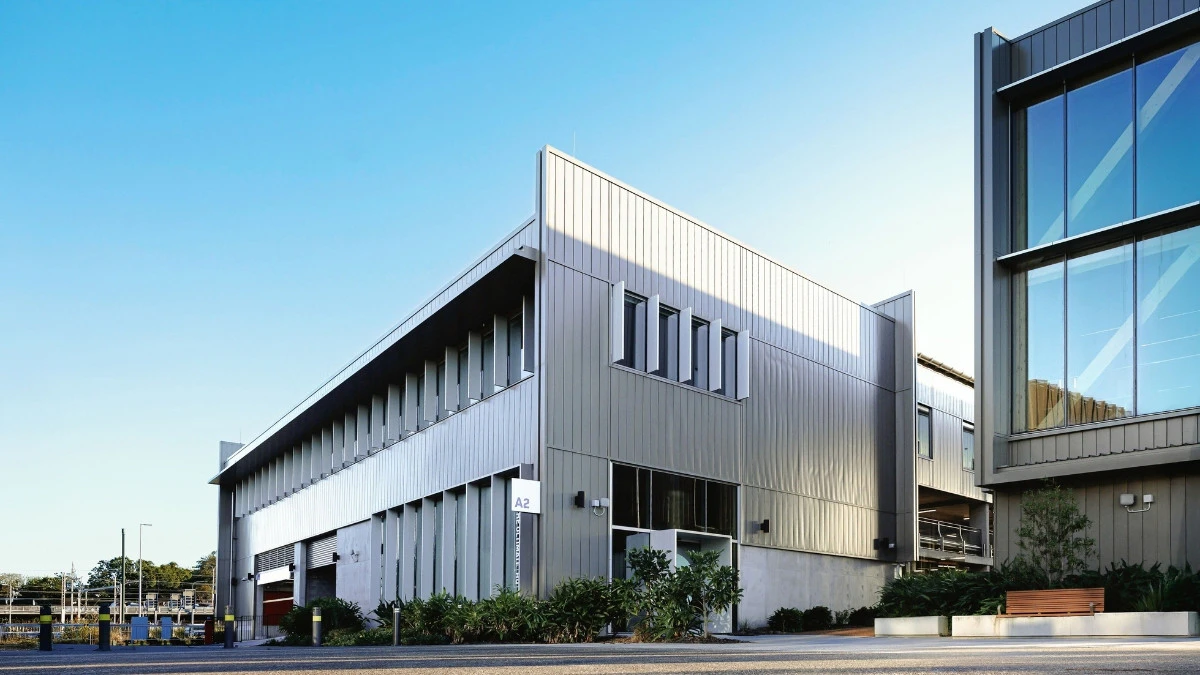
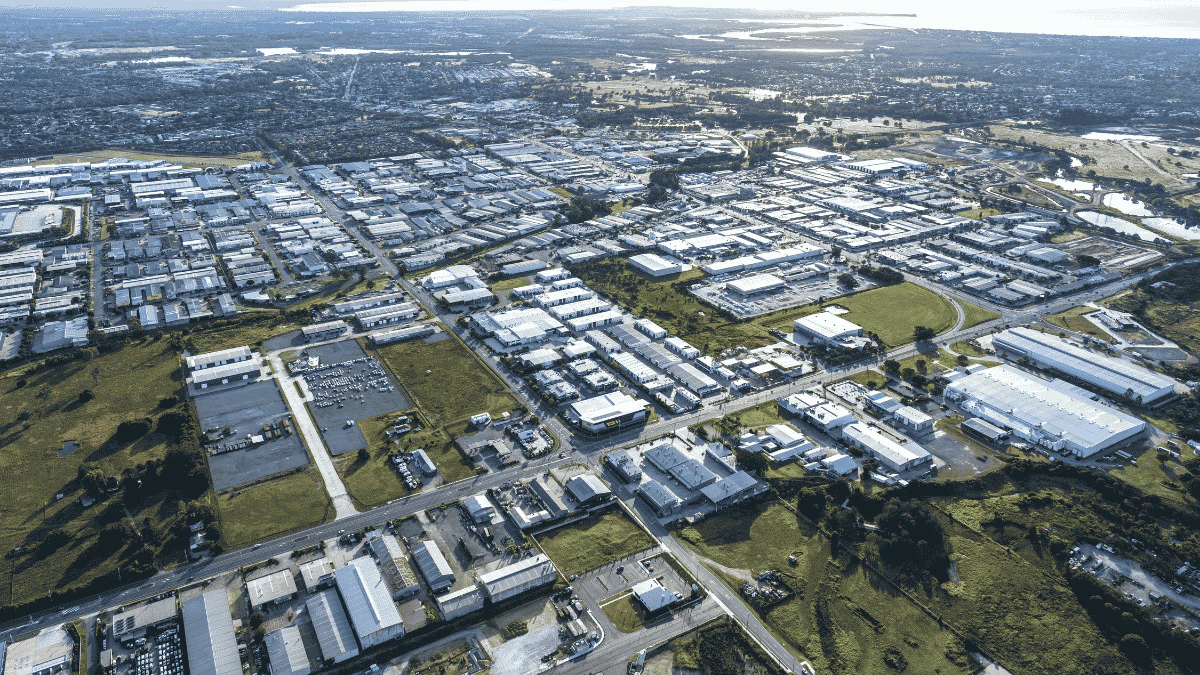

A $5 billion manufacturing powerhouse is helping sell Moreton Bay’s products to the world – and it could be unleashed further if more industrial land is freed up.
A host of sectors including industrial engineering, fabrication, marine product manufacturing, building materials, electronics and robotics are now based in the City.
“With Brisbane’s industrial footprint shrinking, City of Moreton Bay is stepping up to be a destination of choice for manufacturers,” Mayor Peter Flannery said.
“This is due to our population growth, proximity to Brisbane Airport and various shipping ports, productive industrial precincts and a collaborative business ecosystem.
“We’re innovators and makers at scale, producing countless items which Australians use every day, like high-tech electronics that cook your supermarket roast chooks or the equipment keeping you safe on our roads.
“Unlocking more industrial land will enable the expansion of advanced manufacturing, a sector which was identified in recent research as central to creating the high-value local jobs, critical to driving economic growth and increasing earning potential.”
The City’s four major high-growth industrial precincts of Caboolture, Narangba, North Lakes and Brendale are conveniently positioned near the Bruce Highway.
These contribute to a manufacturing industry worth $2.1 billion in domestic and international exports and some $5.2 billion in total sales in 2024/25.
Brendale-based Solar Bollard Lighting exceeded 50 per cent revenue growth off the back of a Council-led trade mission to New Zealand in 2022.
Another Moreton Bay manufacturing success story, EJ Australia, secured a $250,000 contract with the Port of Auckland in 2023 following a second trade mission that year.
EJ Australia is a global leader in the design, manufacture and distribution of service pit access solutions for water, sewerage, drainage, telecommunications and utility networks.
“Manufacturing is a key pillar of growth in Moreton Bay’s $26.9 billion economy, but we need to activate more industrial land to supply our growing population with a variety of local jobs,” Mayor Flannery said.
“Recent data shows we’re being forced to turn away 60 per cent of industrial land inquiries due to a lack of available land.”
A report by the Property Council of Australia in 2025 revealed South East Queensland was facing a critical shortage of industrial land, with some 210ha needed across Greater Brisbane in the next five years.
“While we have more than 10 major growth fronts to address housing, we are in serious danger of falling behind on our targets for new jobs,” Mayor Flannery said.
“We’re committed to building a bigger, bolder and brighter future for our City by supporting our local manufacturers.”
A joint economic white paper released by Council and the University of the Sunshine Coast last year found Moreton Bay’s economy could more than triple to $78.5 billion in about 30 years with four out of five residents working locally.
“We have a once-in-a-generation opportunity to shape a future where people can live, work and prosper locally,” Mayor Flannery said.
“That means planning for high-value jobs, better connectivity, and a resilient economy that benefits everyone.”