

Australian businesses could face new restrictions on the use of non-compete clauses, with the Federal Government releasing draft legislation covering workers earning less than $190,100 a year.
The proposed reforms would ban non-compete clauses for employees earning below the Fair Work Act high-income threshold, currently $190,100.
The Government says the widespread use of the clauses can lower wages and negatively affect labour mobility and productivity.
Research by the e61 Institute cited by the Government found one in five Australian workers was subject to a non-compete clause in their employment agreement.
The research also estimated a ban could increase wages for affected workers by up to 4 per cent, or about $2500 a year for a typical worker.
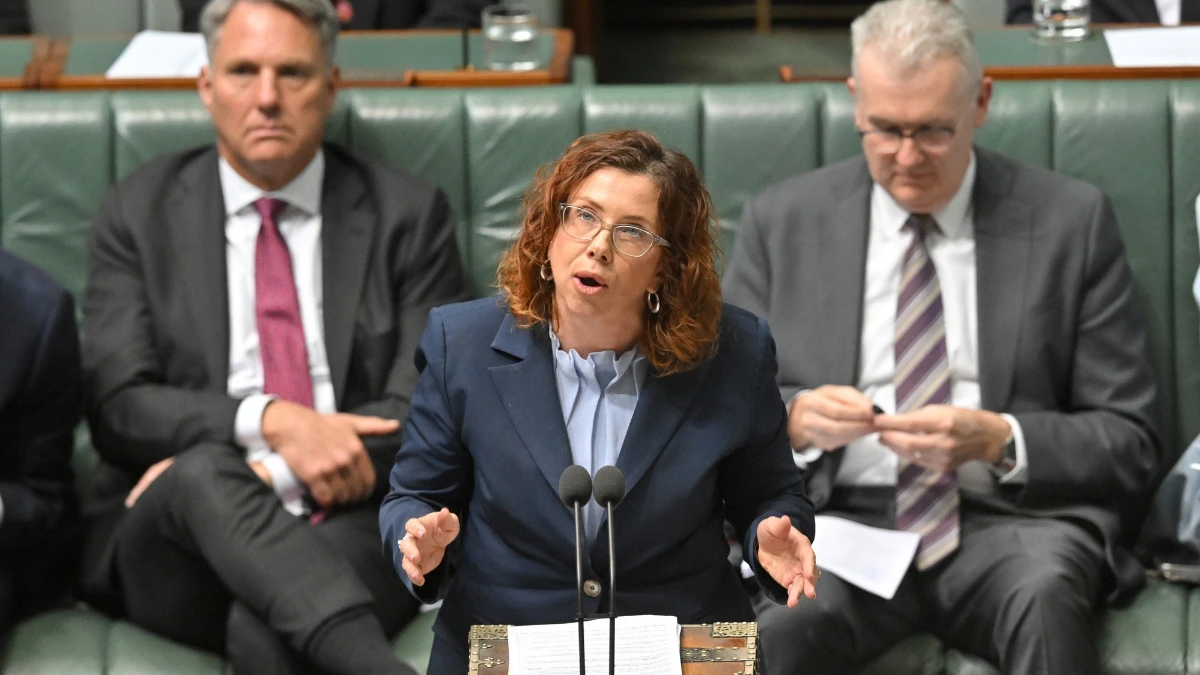
Federal Minister for Employment and Workplace Relations Amanda Rishworth said the reforms were intended to make it easier for workers to move between jobs.
“Non-compete clauses drag down wages, handcuff workers, and put a handbrake on labour productivity,” Amanda said.
“Labor is determined to help boost job mobility for the more than three million Australian workers constrained by a non-compete clause, including childcare workers, construction workers, and hairdressers.”
The Government is also consulting on potentially banning co-worker non-solicitation clauses, no-poach and wage-fixing arrangements, and cascading restraint of trade clauses.
The consultation will also consider exemptions and safeguards aimed at protecting legitimate business interests.
Assistant Minister for Productivity, Competition, Charities and Treasury Andrew Leigh said the reforms were about removing barriers preventing workers from moving to better jobs.
The draft legislation is open for consultation, with businesses and other stakeholders invited to provide feedback until October 2.
For City of Moreton Bay employers, the consultation provides an opportunity to have a say on proposed changes that could affect how businesses use employment restraints in the future.
Have your say: View the draft legislation and make a submission through the Australian Treasury Consultation Hub. Submissions close October 2, 2026.